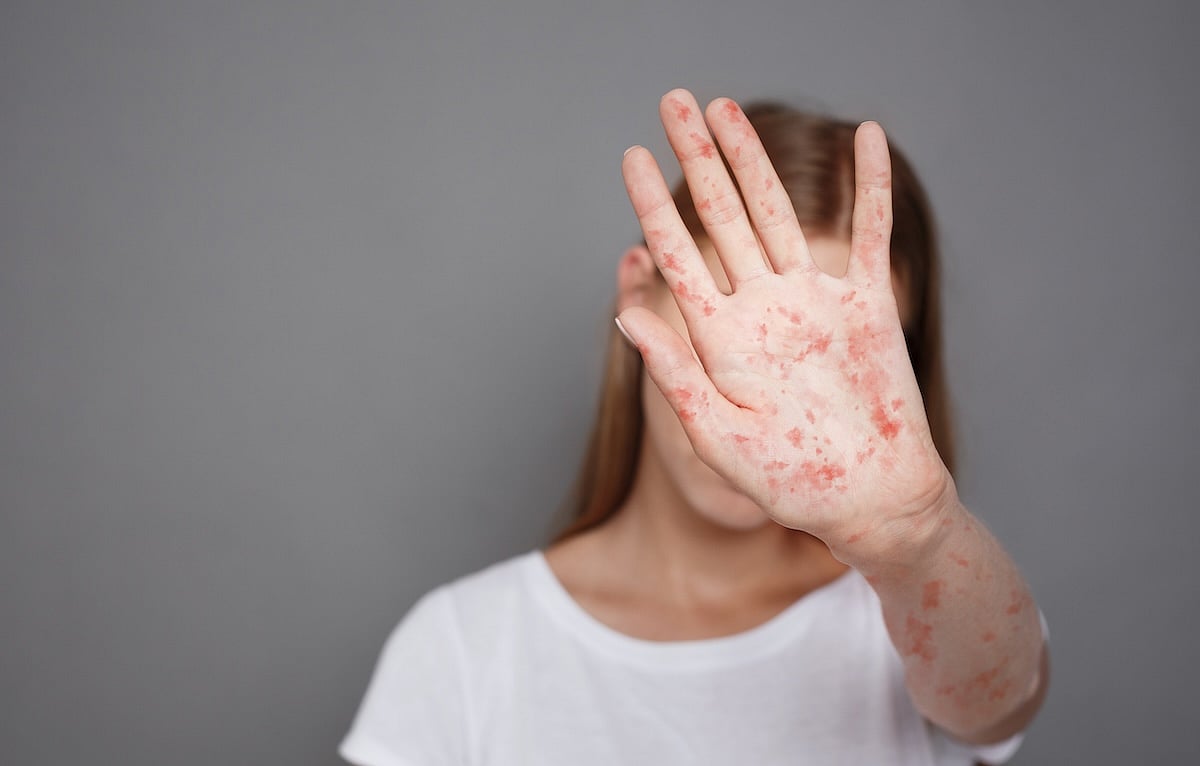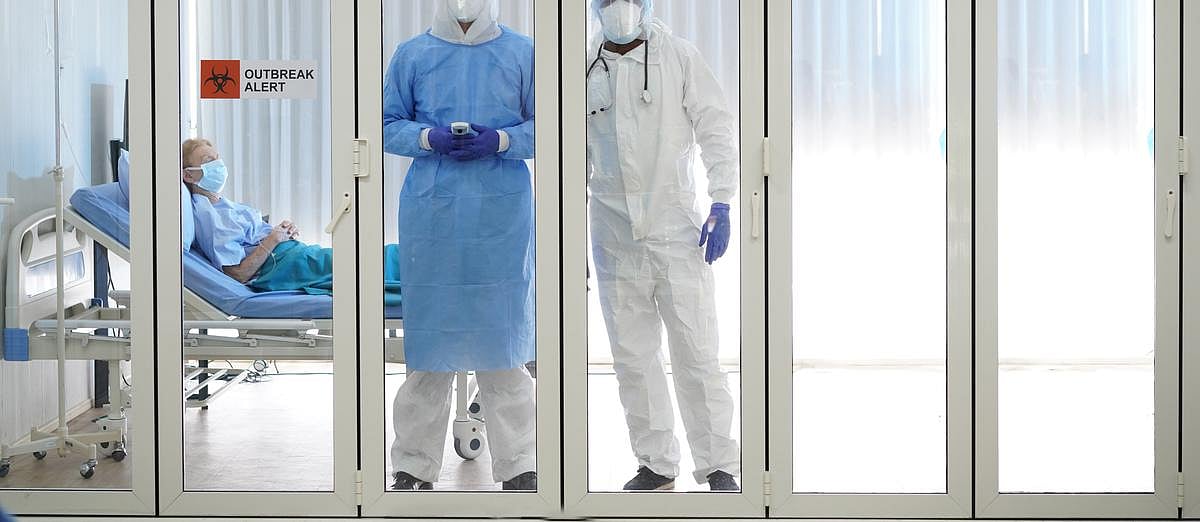

THURSDAY, Oct. 1, 2026 (HealthDay News) — A fifth person with measles has died in Pennsylvania, home to the largest active measles outbreak in the United States.
The Pennsylvania Department of Health said Wednesday that the person was an unvaccinated Lancaster County resident who had tested positive for the virus. No other details about the patient have been released, The Washington Post reported.
As of Wednesday, the state had confirmed 943 cases in 39 counties this year. That's up from 903 cases on Monday, according to The Post.
Pennsylvania’s count is nearing that of South Carolina, where an outbreak that began last October and ended in April, reached 997 confirmed cases.
"We are deeply saddened to hear of another death in Pennsylvania," Emily Hilliard, a spokesperson for the U.S. Department of Health and Human Services, said in a statement.
Hilliard added that the U.S. Centers for Disease Control and Prevention (CDC) is ready to send disease investigators to help. The state hasn't made a formal request for assistance, she said.
The CDC's national count lists only two measles deaths for 2026. That's because the agency now counts only deaths where a death certificate names measles as the main cause, rather than adding deaths reported by states, The Post explained.
Pennsylvania's outbreak is one piece of a much bigger picture. As of Sept. 24, the CDC had confirmed 3,659 measles cases nationwide this year, in 45 states and the District of Columbia.
That's well above the 2,289 cases reported in all of 2025. It's also the highest yearly total in 35 years.
The real number is likely several times higher, because many people with measles never seek medical care, according to public health experts cited by The Post.
Measles can be deadly. In the United States, roughly 1 to 3 children die for every 1,000 who are infected, according to the CDC.
The virus is also extremely contagious. It spreads through the air when a sick person coughs or sneezes, and people can catch it simply by entering a room an infected person has left, according to the CDC.
Gaps in vaccination are helping the virus spread. Nearly all of this year's cases (95%) involved people who were unvaccinated or whose vaccination status was unknown.
Among kindergartners, coverage for the measles, mumps and rubella vaccine dropped from 95.2% in the 2019-2020 school year to 92.4% in 2025-2026. The CDC estimates that leaves about 280,000 kindergartners at risk.
When at least 95% of a community is vaccinated, the virus has a hard time spreading, which protects most people, the CDC says.
The vaccine works well, according to the CDC. Two doses are 97% effective at preventing measles.
More information
Visit the U.S. Centers for Disease Control and Prevention for more information about measles vaccination.
SOURCES: The Washington Post, Sept. 30, 2026; U.S. Centers for Disease Control and Prevention, Sept. 25, 2026, Aug. 5, 2026
New Trial Shows Pfizer’s mRNA Flu Shot Beats Traditional Flu Vaccine
Flu Season May Be Starting Early; Experts Say Get Vaccinated Now
The Flu Vaccine Can Lower Your Risk Of Heart Attack And Stroke — Even If You Wind Up Infected
Tamiflu Helps Keep Severely Ill Kids Out Of The ICU, Study Finds
Nasal Spray Flu Vaccines Create 'Battlefield' In Adults' Noses